First Literacy provides life-changing educational opportunities for adult learners and educators across Massachusetts.
Adults with low-literacy or limited English proficiency and the teachers who support them are often overlooked by traditional education systems. At First Literacy, we see you. Through our program grants, free professional development workshops, and student scholarships, First Literacy reaches approximately 7000 adult learners and 200 educators in 100 programs across Massachusetts every year.
LEARN
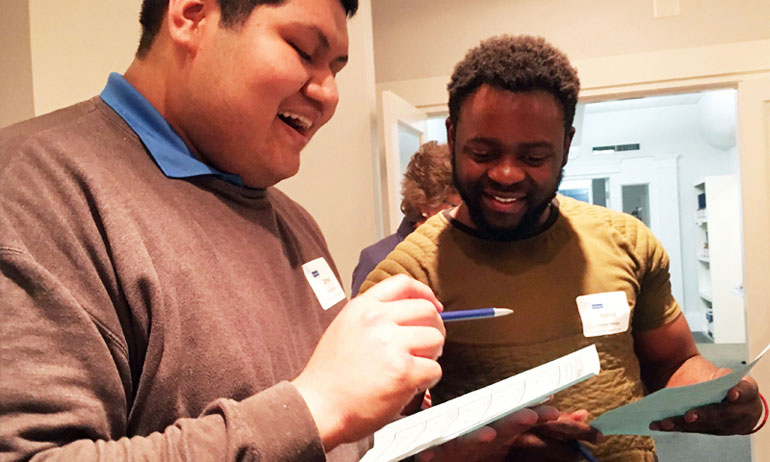
First Literacy awards scholarships to adult learners as part of its mission to improve the lives of adults with low-literacy or limited English proficiency and positively impact communities.
TEACH
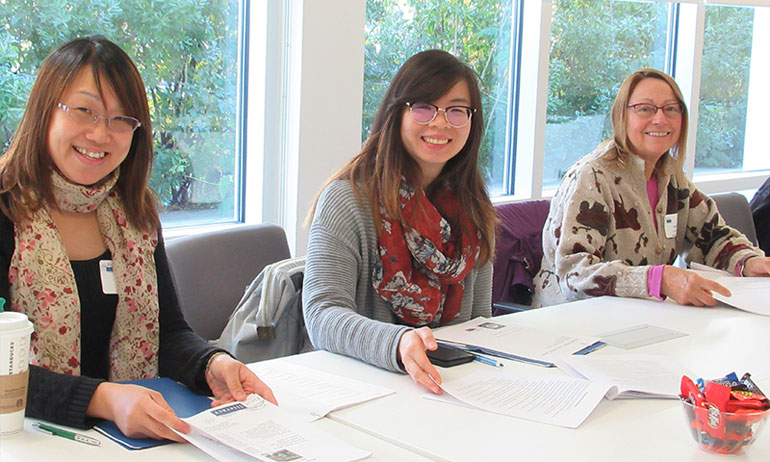
First Literacy offers free Professional Development Workshops, grants, and shared resources for Adult Basic Education and ESOL teachers, administrators and counselors.
SUPPORT
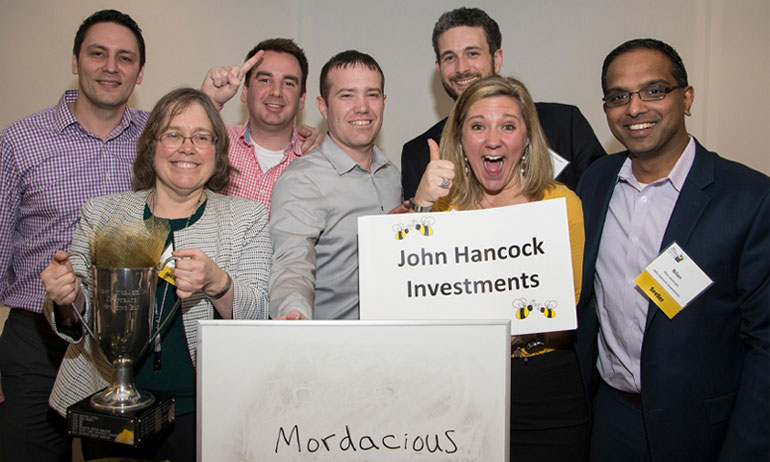
First Literacy supports adult learners and Adult Basic Education teachers through scholarships, free professional development workshops, and program grants.
COVER TO COVER
Dr. Vitalis Osuji Elected to First Literacy Board of Directors
First Literacy is pleased to announce the appointment of Dr. Vitalis Osuji, M.D. MPH, to the board of directors. Dr. Osuji moved to the United States from Nigeria when he was 18 years old. When he arrived, he spoke only a few words of English but was filled with hopes of a better life and determination to achieve his end goal of becoming a doctor.
THANK YOU FOR YOUR SUPPORT
When you donate to First Literacy you help create life-changing educational opportunities for adults throughout Massachusetts with low-literacy or limited English proficiency. Additionally, your donation helps support the front line in adult basic education ensuring that adult learners receive the high-quality education they need to reach their full potential.

We’re excited to share that our organization has earned a Platinum Seal of Transparency with Candid! Now, you can support our work with trust and confidence.